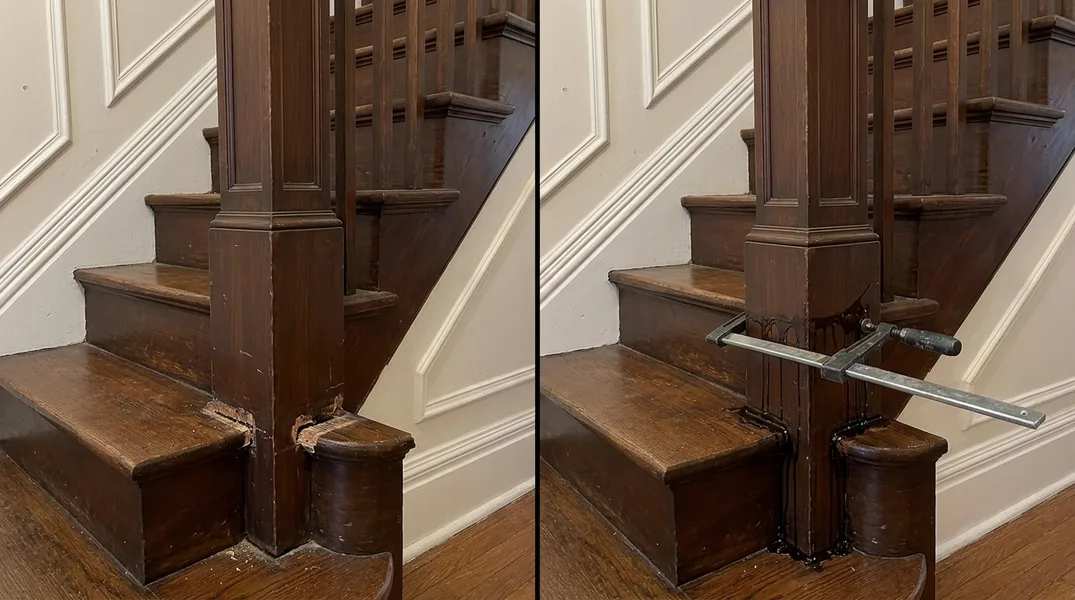
Understanding House Settlement in Oakland
If you own a home in Oakland, you may have noticed doors that won't close properly or floors that seem to slope in unexpected directions. These aren't just cosmetic annoyances, they're signs that your home is settling. House settlement is a natural process that occurs as soil beneath your foundation compacts over time, but in the Bay Area, particularly near the Hayward Fault, settlement can accelerate due to seismic activity and soil composition.
The Hayward Fault runs directly through the East Bay, passing through Oakland and surrounding communities. This geological feature means homes in our area experience more ground movement than typical American neighborhoods. When the earth shifts, even slightly, the foundation of your home moves with it. Unlike catastrophic earthquakes that cause obvious damage, gradual settling can be subtle, revealing itself through small but persistent problems that develop over months or years.
Why Doors Stick and Won't Close Properly
One of the earliest signs homeowners notice is that a door won't close properly or requires force to shut. This happens because as your home settles unevenly, the door frames shift out of square. Doors are precision-hung items, typically with only a quarter-inch of tolerance on each side. When the frame moves even slightly, that door suddenly binds against the frame, making it difficult to close smoothly or causing it to stick halfway through its swing.
Sticking doors in a house can occur in any room, but they're most noticeable in frequently used areas like bedrooms, bathrooms, and entryways. Some homeowners try to solve this by planing down the door or adjusting hinges, but these are temporary fixes. If your home is settling, the problem will continue to worsen as the foundation shifts further. The real solution involves addressing the underlying settlement issue. This might mean reinforcing the foundation, adjusting support beams, or in some cases, replacing compromised structural elements. If you're experiencing persistent sticking doors, it's worth having a professional evaluate whether settlement or structural movement is the culprit.
The Problem of Uneven Floors and Sloping Surfaces
Uneven floor repair is one of the most common projects we handle at Oakland Carpentry because sloping floors are a classic symptom of foundation settlement. When you notice that a marble rolls across your living room floor or that your furniture doesn't sit level, your home's structure has likely shifted. Unlike new construction, where builders account for slight settling in the first few years, older homes in Oakland may have settled unevenly due to decades of soil movement and seismic activity.
The severity of floor slope varies. Some homes have barely perceptible slopes that are more of a nuisance than a safety issue. Others have dramatic drops across a room that indicate serious structural problems. The cause matters tremendously. If your floors are sloping due to rotted support beams or compromised joists, you're looking at Floor Joist & Subfloor Repair or potentially Beam Replacement & Load-Bearing Wall Removal. If the slope is due to Wood Rot & Dry Rot Repair in the support structure, the solution involves removing damaged wood and installing new, pressure-treated lumber. A professional inspection can determine the exact cause and recommend the appropriate fix.
How the Hayward Fault Contributes to Settling
The Hayward Fault is one of the most seismically active faults in California, and it poses unique challenges for homeowners in the Bay Area. Unlike faults that produce infrequent, massive earthquakes, the Hayward Fault experiences frequent small movements and occasional moderate quakes. These repeated small shifts cause the soil beneath homes to compact and shift in ways that create ongoing settlement. Geologists estimate that the Hayward Fault moves several millimeters per year on average, and while that sounds minor, it adds up significantly over the decades that a home stands.
This constant, low-level movement means Bay Area homes are more prone to gradual structural issues than homes in other parts of the country. The soil composition in many parts of Oakland, particularly areas with clay-heavy soils, also contributes to settlement. Clay expands when wet and contracts when dry, creating additional movement beneath your foundation. When you combine seasonal soil movement with fault-related seismic activity, you get a recipe for the kind of settling that manifests as sticking doors, sloping floors, and cracked walls. Understanding this geological context helps homeowners recognize that these problems aren't signs of poor construction but rather natural responses to living in an active seismic zone.
When Settlement Becomes a Structural Concern
Not all settlement is equally serious. Homes naturally settle during their first few years, and minor cosmetic issues like small cracks in drywall or a slightly sticky door don't always indicate structural danger. However, certain warning signs suggest you need professional evaluation. If you notice multiple doors sticking simultaneously, floors that slope more than a quarter-inch per ten feet, or cracks that are actively growing, these are red flags. Similarly, if you see gaps appearing between walls and ceilings, or if your home has visible sagging in the roof line, settlement has progressed to a point where structural intervention is necessary.
The challenge is determining when to call a professional. Many homeowners wait until problems become severe, but early intervention is almost always more cost-effective and less invasive. A structural engineer or experienced carpenter can assess whether your settling is normal and stable or progressive and dangerous. At Oakland Carpentry, we recommend that any homeowner experiencing multiple settling symptoms get a free estimate to understand what they're dealing with. We serve Oakland and can provide honest assessment of whether your situation requires immediate attention or can be monitored.
Solutions for Settling Homes: Repair and Prevention
Once you've identified that settlement is affecting your home, you have several options depending on severity. For minor issues like sticking doors, the solution might be as simple as shimming or adjusting the door frame. For sloping floors caused by beam settlement, you may need to install adjustable posts or replace compromised structural members. If rot or insect damage is contributing to the problem, you'll need Wood Rot & Dry Rot Repair before addressing the settling itself. In some cases, foundation underpinning or helical piers may be necessary to stabilize the foundation and stop ongoing settlement.
Prevention focuses on controlling the factors that accelerate settling. Maintaining consistent soil moisture around your foundation by ensuring proper drainage and avoiding water pooling can reduce seasonal soil movement. Regular inspections catch problems early when they're easier and less expensive to fix. If you're concerned about your home's stability or have noticed doors that won't close properly or uneven floors, contact Oakland Carpentry at (510) 694-8835 to discuss your situation. We can evaluate the extent of settlement, identify underlying causes, and recommend solutions tailored to your home's specific needs and your budget.
Looking for a professional carpentry contractor in Oakland? Oakland Carpentry responds fast for all your carpentry needs.
Get a Free QuoteOur services: Wood Rot & Dry Rot Repair · Termite Damage Repair · Floor Joist & Subfloor Repair