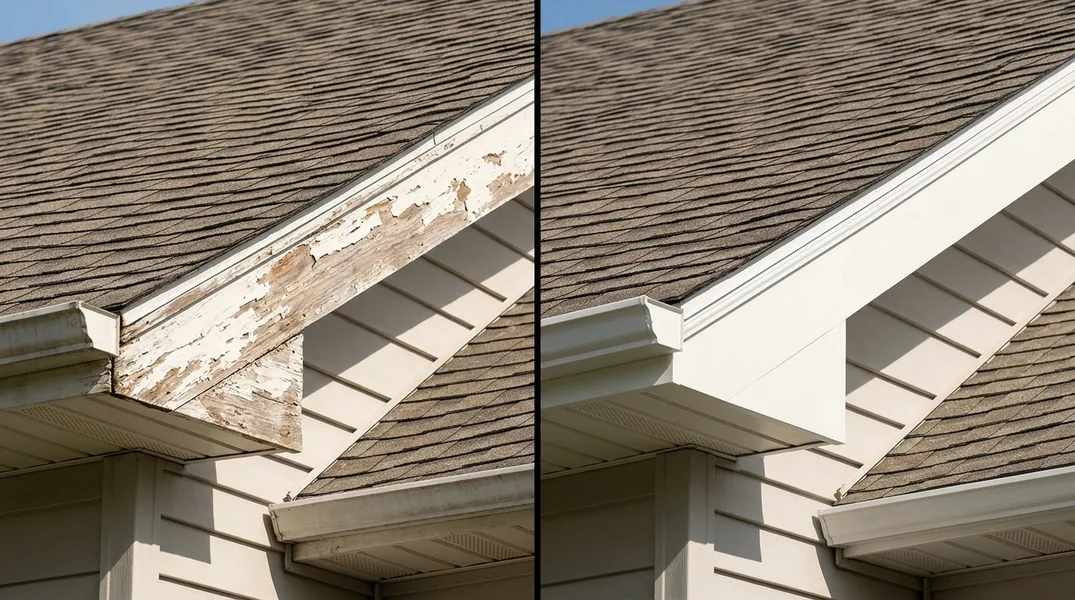
Why Oakland's Victorian and Craftsman Homes Demand Special Care
If you own a Victorian or Craftsman bungalow in Oakland, you live in one of the Bay Area's most architecturally significant neighborhoods. These homes, many built between 1880 and 1930, are beloved for their ornate details, solid wood construction, and timeless charm. But that vintage character comes with real maintenance responsibilities that modern homes simply don't face.
The wood that gives these homes their beauty and structural integrity is also their greatest vulnerability. Oakland's climate, with its cool, damp winters and occasional heavy rains, creates ideal conditions for wood deterioration. Older homes often have wood siding, wooden window frames, exposed beams, and subfloors made from materials that were never treated with modern preservatives. Without a proactive maintenance strategy, you risk expensive repairs and even structural damage that can affect your home's safety and resale value.
Understanding Wood Rot, Dry Rot, and Why Prevention Matters
Wood rot and dry rot are not the same thing, though both are serious problems. Wood rot, also called wet rot, develops when wood stays consistently damp and fungal spores begin to break down the wood's cellular structure. Dry rot, despite its name, also requires moisture to start, but it spreads more aggressively and can travel through your home even after the initial water source is gone. Both conditions thrive in the cool, moist environment that older Oakland homes experience, especially in basements, crawl spaces, and areas with poor ventilation.
The reason prevention is so critical is simple: early detection and maintenance cost a fraction of what Wood Rot & Dry Rot Repair costs once the damage has advanced. A small soft spot on your porch railing or a slightly spongy section of siding can be sealed and treated relatively inexpensively. But if that rot spreads into your home's structural framing, floor joists, or load-bearing walls, you're looking at major reconstruction work. The difference between a $500 repair and a $15,000 repair often comes down to whether you caught the problem early.
Regular Inspection: The First Line of Defense for Historic Homes
The most important habit you can develop as a Victorian or Craftsman homeowner is a routine inspection schedule. Walk around your home's exterior every spring and fall, looking specifically for soft wood, peeling paint, water stains, or areas where wood feels spongy when you press on it. Pay special attention to areas where water naturally collects or where wood meets the ground: the base of wooden siding, window sills and frames, porch railings and steps, and any exposed wood in crawl spaces or basements.
Inside your home, check your basement and crawl space for signs of moisture, mold, or wood damage. Look at the condition of your hardwood floors, especially near plumbing lines or areas where you've had water leaks. Examine wooden beams and joists for discoloration, soft spots, or active fungal growth. If you're not comfortable doing this yourself, a professional carpenter can perform a thorough assessment and give you a clear picture of what needs attention now versus what can wait a few years. Early detection truly is your best investment in protecting your home's long-term structural integrity.
Common Problem Areas in Victorian and Craftsman Homes
Certain parts of older homes are more vulnerable than others. Wooden siding, especially on the north-facing side of your house where it stays damper longer, is a frequent trouble spot. The paint that protects the wood degrades over time, and once water penetrates the surface, rot develops quickly. Similarly, wooden window frames and sills are constant battle zones in older homes. They're exposed to weather on the outside and condensation on the inside, creating the perfect damp environment for fungal growth.
Porches and decks present another classic challenge. The structural elements that support these features are often made from untreated wood and are constantly exposed to rain and ground moisture. Floor Joist & Subfloor Repair is one of the most common services requested in older homes because these horizontal members sit in crawl spaces where moisture accumulates. Roof leaks, gutters that overflow or pull away from the fascia, and poor grading around the foundation all funnel water toward the wood framing that holds your home up. The good news is that most of these problems are preventable with consistent maintenance and prompt repairs.
Maintenance Tasks You Can Do Yourself
You don't need to hire a contractor for every maintenance task. Some preventive work is well within reach for a motivated homeowner. Keeping your gutters clean and in good repair is one of the most important things you can do. Clogged gutters cause water to overflow and run down the side of your house, soaking the siding and fascia. Make it a habit to clean gutters twice a year and inspect them for sagging sections or loose fasteners. Similarly, ensure your downspouts direct water at least four to six feet away from your foundation and that grading slopes away from your home so water doesn't pool near the base.
Painting and sealing wood surfaces is another task many homeowners can tackle. If your wooden siding, trim, or porch railings are showing bare wood or peeling paint, addressing this promptly prevents water from penetrating the wood. Use high-quality exterior paint or wood stain rated for your climate, and plan to refresh it every five to seven years. For window frames and other detailed areas, a good caulk rated for exterior use will seal gaps and prevent water intrusion. These simple, regular maintenance tasks cost relatively little but save you thousands in potential repair bills down the road.
When to Call a Professional: Wood Damage That Requires Expert Repair
There are clear warning signs that indicate you need professional help. If you find soft, spongy wood that your fingernail or a small tool can easily penetrate, that's active decay that needs expert assessment. If you see visible mold or mildew growth on wood surfaces, or if you notice a musty smell in your basement or crawl space, these are signs that moisture control and wood treatment are needed. Any water stains on ceilings or walls, or evidence of past water damage, should prompt a professional inspection to determine whether structural members have been compromised.
Wood Rot & Dry Rot Repair requires specialized knowledge because the carpenter must not only remove and replace damaged wood but also identify and address the moisture source that caused the problem in the first place. Similarly, if you suspect Termite Damage Repair or if you find wood that's been compromised in a way that affects structural integrity, you need someone who understands how to properly reinforce or replace load-bearing elements. Oakland Carpentry can assess your home and provide honest guidance about what needs immediate attention and what can be planned for the future. Call (510) 694-8835 or request a free estimate to discuss your home's specific needs.
Understanding Repair Costs and Planning Your Maintenance Budget
The cost of wood repair varies dramatically depending on the extent of damage, the location within your home, and the complexity of the work. A small section of rotted siding might cost a few hundred dollars to replace. A more extensive repair involving floor joists or structural beams can easily run into the thousands. This is why prevention and early detection matter so much. A homeowner who addresses a small soft spot on a porch post when it first appears might spend $300 to $500. That same post, left unrepaired for three years, could require complete replacement along with reinforcement of the structural system it supports, potentially costing $2,000 or more.
When planning your maintenance budget, allocate funds annually for preventive work like gutter cleaning, painting, and caulking. Set aside additional reserves for structural repairs as they're identified. If you're facing significant restoration work on a Victorian or Craftsman home, get multiple quotes and ask contractors to explain exactly what they're repairing and why. Oakland Carpentry provides transparent pricing and detailed explanations of the work needed. We can help you prioritize repairs based on what poses the greatest risk to your home's safety and structural integrity, so you can make informed decisions about your renovation timeline and budget.
Creating a Long-Term Maintenance Plan for Your Historic Home
The most successful homeowners treat their Victorian or Craftsman homes like the valuable assets they are. Develop a written maintenance schedule that includes seasonal inspections, annual gutter cleaning, periodic painting and sealing of wood surfaces, and professional structural assessments every three to five years. Document what you find during inspections and keep records of all repairs and maintenance work completed. This history becomes invaluable when you're deciding whether to tackle a repair yourself or hire a professional, and it protects your home's value if you ever decide to sell.
If you're feeling overwhelmed by the scope of work your older home needs, remember that you don't have to do everything at once. Prioritize based on safety and preventing further damage. Address roof leaks immediately, fix gutters and grading issues before winter, and repair active wood rot before it spreads. Less urgent items like cosmetic restoration or updating finishes can be planned and budgeted over several years. The key is consistency and early intervention. If you'd like professional guidance on creating a maintenance and repair plan for your specific home, Oakland Carpentry is here to help. Contact us at (510) 694-8835 or request a free estimate to get started.
Looking for a professional carpentry contractor in Oakland? Oakland Carpentry responds fast for all your carpentry needs.
Get a Free QuoteOur services: Wood Rot & Dry Rot Repair · Termite Damage Repair · Floor Joist & Subfloor Repair