Does Homeowners Insurance Cover Wood Rot Damage?
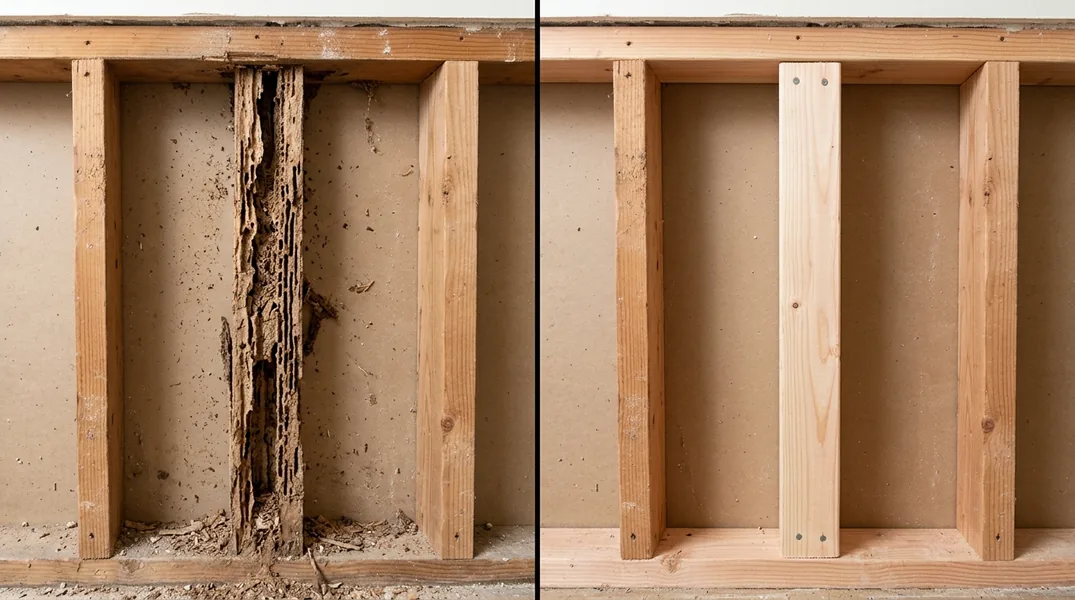
One of the most common questions Oakland homeowners ask us is whether their insurance will cover Wood Rot & Dry Rot Repair. The short answer is: almost never. Most standard homeowners insurance policies explicitly exclude wood rot from coverage because it is considered a maintenance issue rather than sudden, accidental damage.
Insurance companies view wood rot as the result of prolonged exposure to moisture and inadequate home maintenance. Since the damage develops gradually over months or years, it falls outside the scope of what insurers classify as a covered loss. The policy language typically states that damage from rot, decay, mold, or fungus is the homeowner's responsibility. This distinction is important because it means you cannot simply file a claim and expect reimbursement for repairs, no matter how severe the damage has become.
However, there is one narrow exception: if wood rot develops as a direct result of a covered peril, you may have grounds for a claim. For example, if a tree falls on your roof during a storm and creates an opening that allows water to seep in, causing rot to develop, the initial damage (the fallen tree) is covered. The rot that follows might be covered as a consequence of that covered event. The key is proving causation and timing, which requires detailed documentation and professional assessment.
Termite Damage Insurance: What Oakland Homeowners Need to Know
Termite damage presents a similar insurance challenge. Like wood rot, Termite Damage Repair costs are almost universally excluded from standard homeowners insurance policies. Insurers classify termite and other pest infestations as preventable through proper home maintenance and regular inspections. Because homeowners can take steps to prevent or detect termites early, insurance companies do not consider the resulting damage to be an unforeseeable loss.
The logic behind this exclusion is straightforward: termites work slowly and steadily, consuming wood over extended periods. A homeowner who maintains their property with regular inspections should catch an infestation before catastrophic damage occurs. From the insurance company's perspective, failure to do so is a maintenance failure, not an insurable event. This means that if termites have damaged your home's structural wood, you will almost certainly be paying for repairs out of pocket.
Some insurance companies offer optional pest damage riders or endorsements for an additional premium, but these are rare and come with strict conditions. Even then, coverage is often limited and may require proof that you have maintained regular pest control treatments. Before assuming you have no coverage, review your policy documents carefully or contact your insurance agent directly to ask about any pest-related riders you may have purchased.
When a Wood Rot Insurance Claim Might Actually Work
Although wood rot is typically excluded, certain circumstances can make an insurance claim viable. The most common scenario involves sudden, accidental water damage from a covered event. If a pipe bursts inside your walls and causes wood rot to develop within weeks, you may be able to file a claim for the water damage and associated rot. Similarly, if a severe storm causes roof damage that leads to interior water intrusion and rot, the initial storm damage is covered, and the rot that follows may be covered as a secondary consequence.
Another potential avenue is if the rot develops due to a defect in the home's construction or materials that the previous owner or builder is responsible for. For example, if faulty flashing was installed during construction and water has been leaking into walls for years, you might argue that the initial defect is the cause, not poor maintenance. However, these claims are complex and often disputed by insurers. You will need professional documentation, photographs, and a clear timeline showing when the defect occurred versus when you discovered it.
The most important step is to contact your insurance company immediately upon discovering wood rot or signs of water damage. Do not wait, and do not assume you have no coverage. Let the insurer make the determination. If they deny your claim, ask for a detailed explanation in writing. If you believe the denial is unjust, you can request a review or consult with an insurance attorney. In Oakland and the surrounding Bay Area, many homeowners have successfully challenged initial denials by providing professional evidence and clear documentation of causation.
The Importance of Professional Inspection and Documentation
If you are considering filing an insurance claim for wood rot or water damage, professional inspection and documentation are critical. Insurance companies will not simply take your word for it; they will send an adjuster to assess the damage and determine whether it qualifies for coverage under your policy. Having a professional carpenter or structural engineer inspect the damage before the insurance adjuster arrives can strengthen your position considerably.
A professional inspection report provides objective evidence of the damage's extent, the likely cause, and the timeline of development. This documentation becomes your strongest argument when disputing a claim denial. Additionally, photographs taken from multiple angles, moisture readings, and detailed notes about when you first noticed the problem all help establish a clear record. If you hire a contractor like Oakland Carpentry to assess the damage, we can provide a detailed report that insurance adjusters will take seriously, increasing your chances of a favorable outcome.
Documentation is equally important for future claims. If you discover wood rot or water damage, photograph everything before repairs begin. Keep receipts for any temporary fixes or preventive measures you take. If you hire a contractor for Floor Joist & Subfloor Repair or other structural work, request a detailed invoice that describes the damage and its cause. This paper trail becomes invaluable if an insurance dispute arises later.
Wood Rot & Dry Rot Repair Cost in Oakland: What to Budget
Since insurance rarely covers wood rot repairs, most homeowners in Oakland must budget for these costs themselves. The price of Wood Rot & Dry Rot Repair varies significantly depending on the location of the rot, how deep it penetrates, and how much structural wood needs replacement. A small area of surface rot on trim or siding might cost a few hundred dollars to repair, while extensive rot in floor joists or load-bearing walls can run into the thousands.
Structural repairs are more expensive because they require careful assessment to ensure the home remains safe and up to code. If rot has compromised a Beam Replacement & Load-Bearing Wall Removal work is needed, costs increase substantially because the repair requires temporary support structures, permits, and skilled labor. The best way to understand your specific costs is to request a free estimate from a local contractor. Oakland Carpentry offers detailed assessments and transparent pricing so you know exactly what repairs will cost before work begins.
Prevention is far more cost-effective than repair. Regular maintenance, prompt attention to leaks, proper ventilation, and routine inspections can prevent wood rot from developing in the first place. If you notice signs of water damage, soft wood, or discoloration, address the problem immediately. Early intervention prevents small issues from becoming expensive structural repairs.
What to Do If Your Insurance Claim Is Denied
If your homeowners insurance denies a claim for wood rot or termite damage, you have several options. First, request a detailed written explanation of the denial. Insurance companies are required to provide specific policy language and reasoning. Review your policy carefully to see if the denial is justified under the terms you agreed to. Sometimes denials are issued in error, or the adjuster may have misunderstood the cause of the damage.
If you believe the denial is incorrect, consider hiring an independent adjuster or public adjuster to review the case. These professionals work on your behalf and can challenge the insurance company's assessment. You can also request that the insurance company send a different adjuster for a second opinion. If disputes persist, your state's Department of Insurance can investigate complaints and mediate between you and your insurer. Many homeowners successfully overturn denials with proper documentation and persistence.
Another option is to consult with an insurance attorney who specializes in homeowners claims. While this adds cost, it may be worthwhile if the repair expenses are substantial. An attorney can review your policy, assess the strength of your claim, and represent you in negotiations or litigation if necessary. For immediate help assessing whether your home has wood rot or water damage, contact Oakland Carpentry at (510) 694-8835 to schedule a professional inspection and get expert guidance on your next steps.
Looking for a professional carpentry contractor in Oakland? Oakland Carpentry responds fast for all your carpentry needs.
Get a Free QuoteOur services: Wood Rot & Dry Rot Repair · Termite Damage Repair · Floor Joist & Subfloor Repair